

Hollywood Bowl history traces how a simple outdoor stage grew into a Los Angeles amphitheater with a distinctive design and a museum devoted to its past. The story moves from wooden benches and early stage backdrops to a succession of shells, including the one in use today.
- First stage: a wooden platform with a canvas top
- Seating amphitheater designed by Myron Hunt
- Current shell completed as the venue’s fifth
- Museum in the former Tea Room, with rotating exhibitions
A hotel in Hollywood is one local base for a trip centered on the Bowl.
The Bowl’s early years
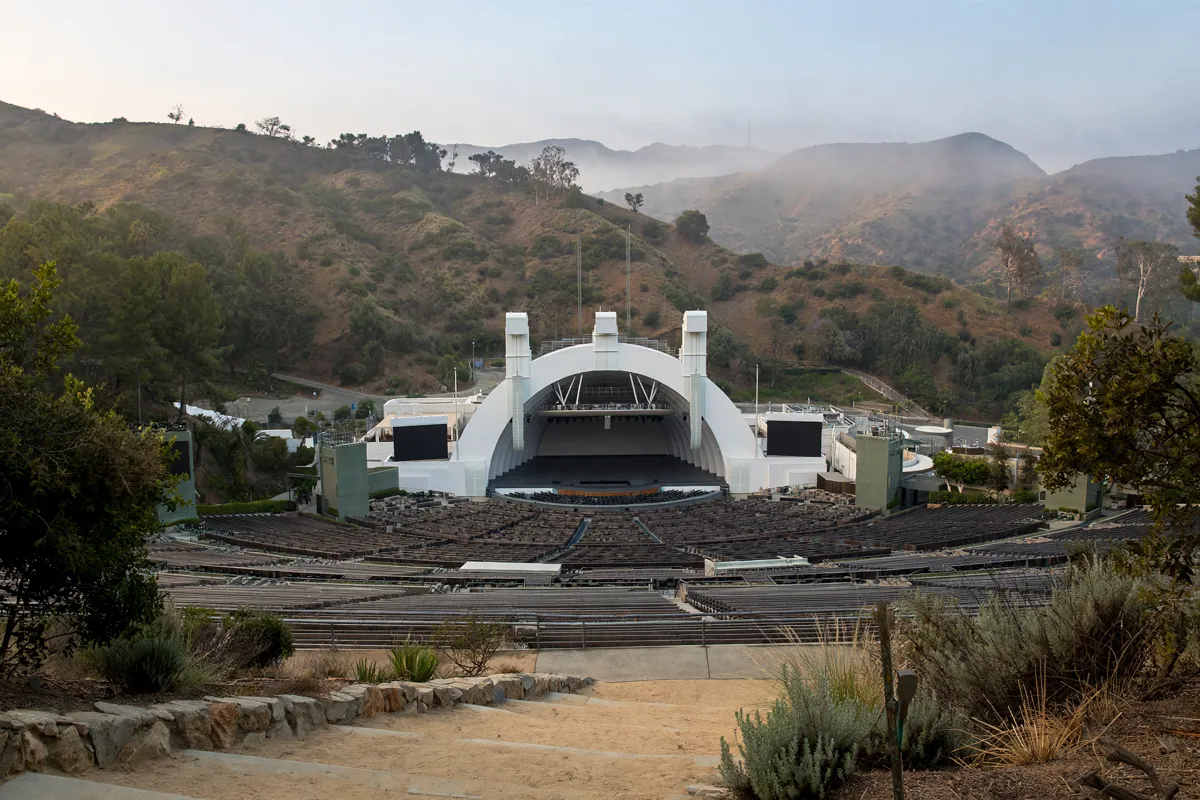
The Hollywood Bowl began with a modest stage and movable wooden benches. Its first stage, built in 1922, was a wooden platform topped with canvas.
The venue’s early development soon included formal seating and a more designed backdrop. The first box seats were built in front of the bench sections in 1923. A year later, the land was deeded to Los Angeles County to safeguard the Bowl, and the Hollywood Bowl Association was established as its governing organization.
A backdrop added in 1924 brought classical decorative elements to the stage, including Greek columns, pergolas and urns. These changes marked a shift from a simple performance platform toward a more deliberately shaped setting.
How did the amphitheater and stage change?
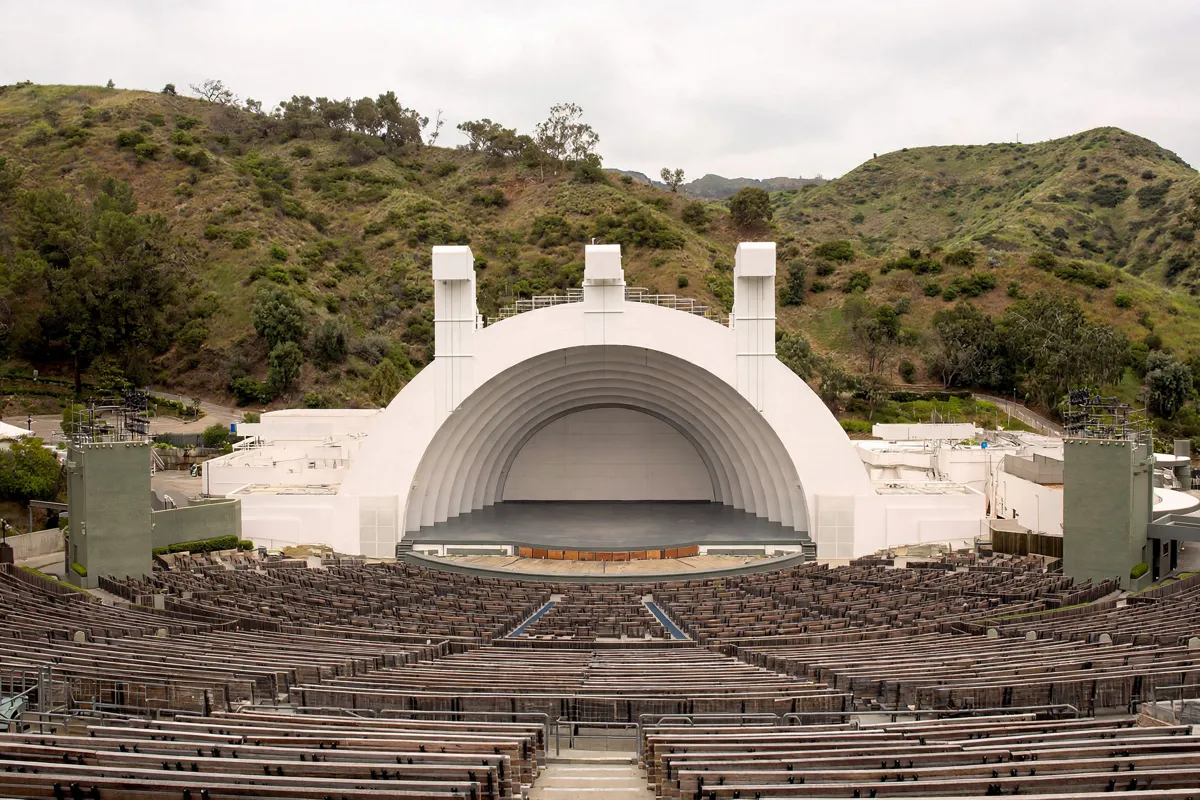
The Bowl’s seating plan and stage shell changed over time, giving the amphitheater much of its recognizable form. Pasadena architect Myron Hunt designed the elliptical seating amphitheater in 1926, with monumental stairways and a balloon-shaped seating layout.
The stage shell had its own sequence of designs. Lloyd Wright designed the 1927 shell, whose pyramid shape became one of the venue’s most distinctive and controversial. The 1929 shell, designed by Elliot, Bowen, and Waltz and built by Allied Architects, weighed 55 tons and sat on rails so tractors could move it.
The current shell was completed in 2004 and is the fifth in the Bowl’s history. Taken together, the changing shells show how the venue’s stage design evolved while remaining a defining part of the amphitheater.
What role has the Bowl played in Los Angeles music?
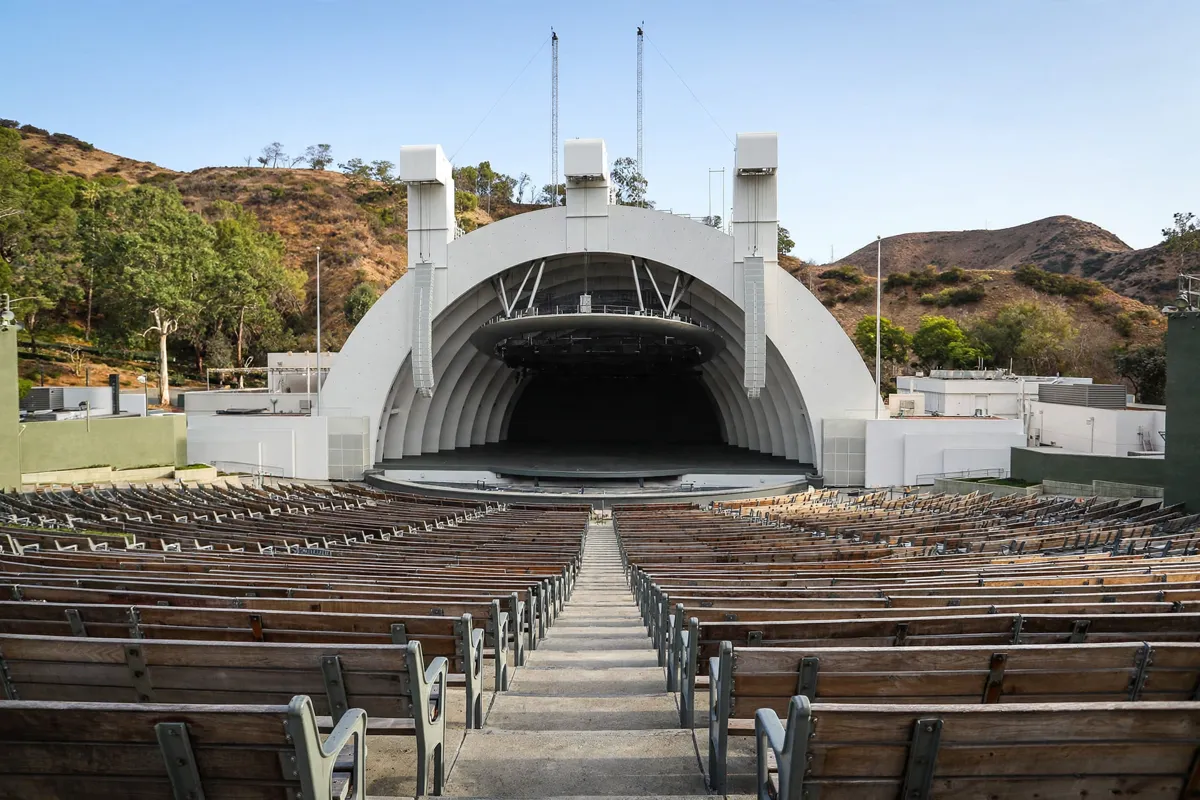
The Hollywood Bowl has served as a performance venue for the Los Angeles Philharmonic and has developed a lasting institutional history. Its early years included the orchestra’s inaugural concert at the Bowl, conducted by Alfred Hertz as part of a season titled “Hollywood Bowl Summer Concerts.”
The venue’s history is also reflected in its changing architecture and continued use as a performance stage. Its shells, seating layout and earlier stage treatments document different approaches to presenting music in the open-air amphitheater.
For practical details about attending a performance, including ticket information, the Hollywood Bowl ticket and visit-planning guide covers the visitor side of the venue.
Where can you learn about Hollywood Bowl history on site?
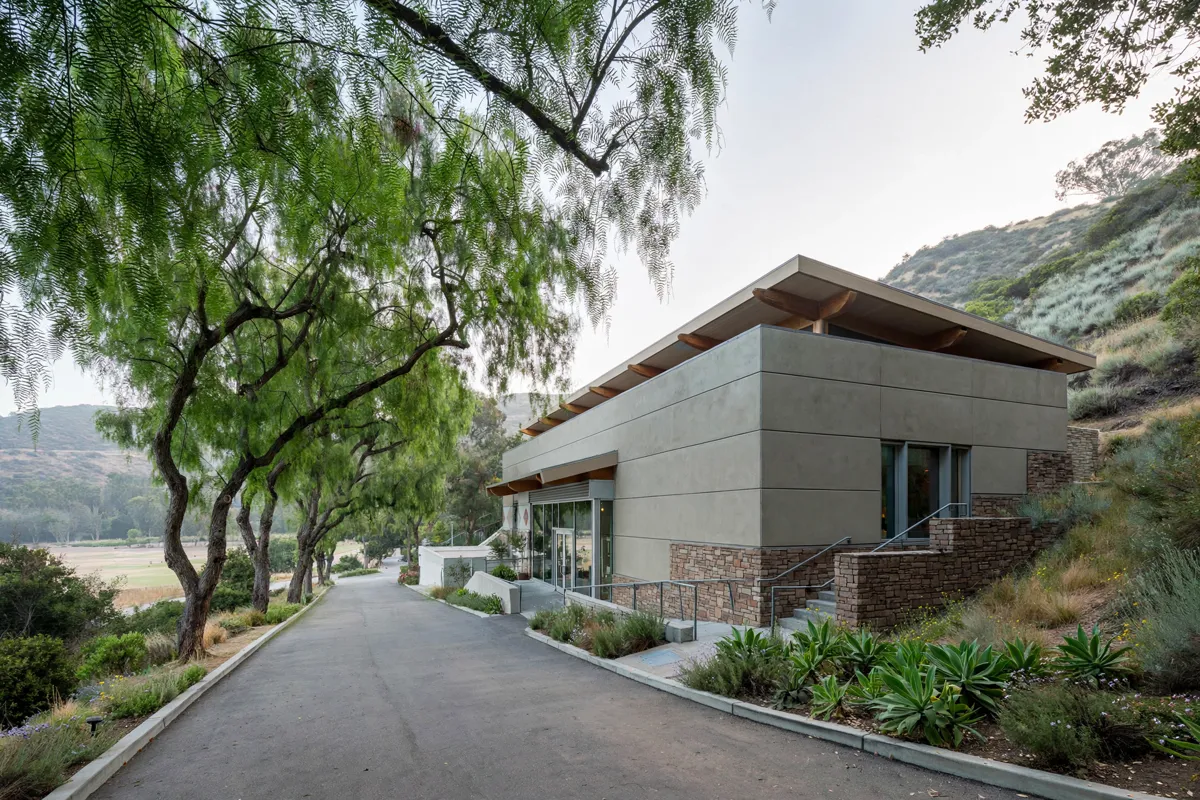
The Hollywood Bowl Museum presents rotating exhibitions connected to eras and events in the venue’s institutional history. It occupies the former Tea Room, which was converted into a museum in 1984 ahead of the Los Angeles Summer Olympic Games.
You’ll find the museum at 2301 N Highland Ave, Los Angeles, CA 90068, at the bottom of Peppertree Lane. Enter from Highland Avenue and it is the first building on the right.
Peppertree Lane was once known as Bolton Road; pepper trees were planted there in the 1920s, and new trees were planted in 1997 to continue the landscape legacy.
Admission is free. During the season, the museum is open Tuesday–Friday beginning at 10am and continuing until showtime; Saturday–Monday access begins four hours before showtime. The off-season runs from mid-September through June, with exact dates varying; its hours are Tuesday–Friday, 10am–5pm, with Saturday–Monday closed.
The museum is closed on Thanksgiving Day, Christmas Day and New Year’s Day. Touring the Bowl may be closed on specific days, so check the official site before you go.
The museum’s exhibitions offer a way to connect the physical setting—the stage, shells and grounds—with the venue’s longer history. If you’re planning a performance visit as well, the museum’s changing hours make it worth checking access details before setting out.
Times checked November 2026.
FAQs
When was the Hollywood Bowl’s first stage built?
The first stage dates to 1922. It was a wooden platform with a canvas top, and patrons sat on movable wooden benches.
Who designed the Bowl’s seating amphitheater?
Pasadena architect Myron Hunt designed the elliptical seating amphitheater in 1926, including monumental stairways and a balloon-shaped seating layout.
How many shells has the Hollywood Bowl had?
The shell completed in 2004 is the fifth in the venue’s history. Earlier designs included the pyramid-shaped 1927 shell and a movable 1929 shell.
Does the Hollywood Bowl Museum charge admission?
No. Admission is free. The museum’s hours vary by season and show schedule.